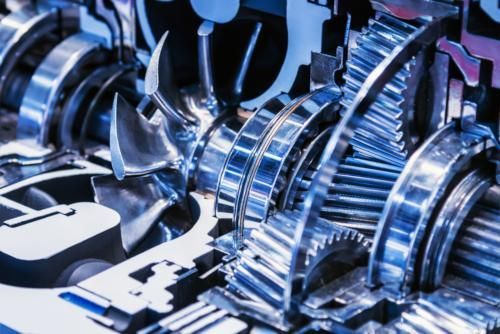
Deep within your vehicle’s underpinning is a complex set of machinery that allows your car to shift between gears. Your automobile’s transmission system — a combination of gears, sensors, hydraulics, and fluid — helps your vehicle accelerate and decelerate with ease, enabling a smooth ride.
One of the lesser known elements of a transmission system is the solenoid. These small valves regulate the transmission system’s operation, allowing transmission fluid to move freely when triggered by the engine and other sensors. If you begin to notice transmission issues with your vehicle, one place to look is at the solenoid.
What Is a Transmission Solenoid?
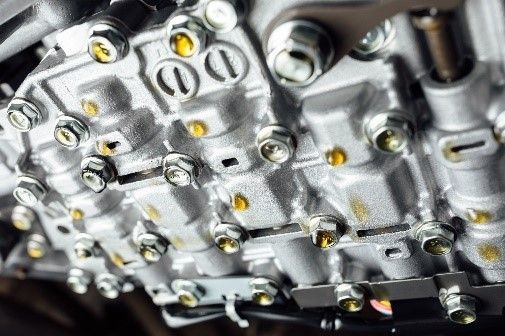
Your vehicle’s transmission is operated by small valves known as solenoids. These electro-hydraulic valves control the flow of the transmission fluid within the transmission system by opening and closing when they receive electrical signals. These signals may come from the engine, other sensors, or the transmission control unit, which notifies the transmission to kick in as the engine speed rises or falls.
In automatic transmission systems, solenoids are vital to ensuring that the automation of gear shifting occurs quickly and fully. Of the transmission solenoids, there are three main types: the transmission shift solenoid, the lockup solenoid, and the transmission control solenoid.
As the engine or transmission control unit signals the solenoids, the valves will open or close to regulate the movement of transmission fluid. Should that process begin to slow down or fail, the pressurization of the transmission clutch and bands will cause the shifting of gears to slow, slip, or possibly fail. Knowing the signs of potential solenoid problems can help ensure the proper repair of these essential pieces of equipment before it’s too late.
Signs and Symptoms of Failing Transmission Solenoids
Wondering how to know if your transmission solenoids may be failing? Here are the top symptoms that your solenoids aren’t functioning properly:
You experience delayed gear shifting and a sense of pulling or slipping when trying to shift between gears.
The vehicle will not downshift as you slow down. An inability for the solenoid valve to operate may prevent your car from downshifting, and the engine will continue to rev as you attempt to brake.
You may discover that the transmission will not shift out of neutral, as the solenoid is not receiving the proper signals or opening enough to shift the transmission.
The gear shifts may seem rough or erratic, leading to a shaky or rocky feeling in the vehicle when you attempt to shift gears, accelerate, or decelerate.
Your vehicle’s Check Engine Light (CEL) may come on, indicating that the electrical system has noticed a failure in a system.
Understanding “Limp Mode”
Solenoid issues may cause your vehicle to go into “limp mode,” a mode created to shield your engine and transmission from catastrophic failure and a severe accident. In Limp Mode, the entire vehicle will begin to grow weak in its power and the ability to accelerate. This will often come with difficulty to shift or control the speed at which your vehicle is traveling.
It is essential that you pull over and stop the vehicle in a safe location when this mode is triggered. Your vehicle’s inability to shift into gear will keep you from achieving higher driving speeds — so avoid highway driving. Continuing to operate your vehicle while in “Limp Mode” can cause serious damage to your engine and transmission.
What To Do If You Fear You Have A Solenoid Problem
When it comes to solenoids, these unique and complex pieces of machinery may be a bit too complex for the average driver to fix on their own. If you suspect your vehicle’s transmission solenoids are acting up, the first step should be to visit a trained and experienced transmission technician.
The best way to ensure that you head off any potential solenoid problems is to always take your vehicle in for recommended routine maintenance. As part of your vehicle’s maintenance, a trained mechanic will take a look at the transmission and analyze the solenoid’s health. This will help them to determine if you are in need of a solenoid repair or replacement.
Seek Expert Help With Transmission Issues
One reason drivers fear transmission issues or failure is that the cost to fix or replace a transmission is usually high. When your transmission begins to show signs of problems, seek the help of a trained professional immediately who can identify and address issues.
With transmission solenoids often being an unknown part of your transmission system, knowing the symptoms of problem or failure can help you handle problems fast and ensure that your vehicle stays healthy and on the road for years to come.